
by Alex Hanse (@alexthechemist)
Wendy Eisenberg, whose latest album is appropriately eponymous, serves up both a showcase of the deft songcrafter’s influences and their keen sense of arrangement. The guitarist’s self-titled is informed by formal jazz training and nearly a decade’s worth of improvisational playing.
Wendy Eisenberg, a prolific collaborator in Squanderers, Editrix, and Bill Orcutt Guitar Quartet, has put their name to a long player fit for your best idea of a Sunday morning. Lush melodies of expert guitar work create a homespun texture. Pedal steel, a wealth of string arrangements, delicate percussion, and subtle synths lend to the best folk rock records of the 70s.
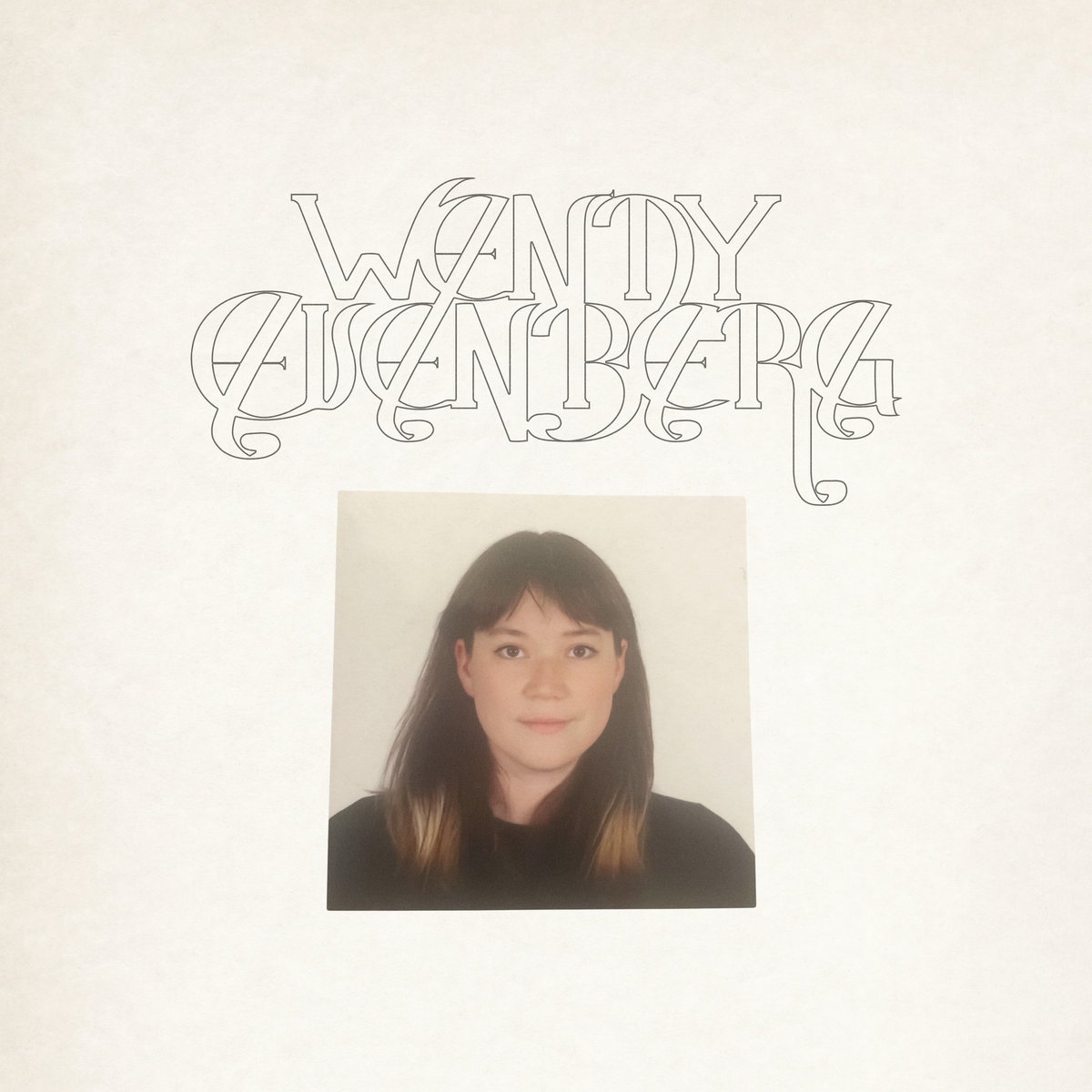
Throughout its ten tracks, Wendy Eisenberg explores two interwoven concepts: reciprocated love and nostalgic reflection. Their lyricism is decidedly poetic, less in florid abstractions or minimalist distillations, more reminiscent of Dylan Thomas and firmly grounded in an autofictional practice. Album opener “Take A Number” doesn’t leave you waiting long, as deft folk fingerpicking is quickly joined by a gorgeous swell of strings. The track concludes with Eisenberg staring in the mirror (or perhaps at the album’s cover), asking, “You are the oldest you’ve ever been, did you feel yourself change?”
That question is not rhetorical. “Meaning Business” opens with a chord progression so infused with the sunny, easy complexity of late-20th century Brazilian music I thought I had accidentally shuffled on a Lô Borges track. The “Lynchian” mode it explicitly inhabits posits that ruminant thesis again, the expressions of ourselves we know shifting with age, being reborn over and over. A few of those past selves are subsequently eulogized across the gorgeous “Another Lifetime Floats Away,” as childhood memories of home, highways, and a young adulthood spent touring brings Eisenberg to the present, consciously or not.
Eisenberg consistently asks big questions, assure of their ability to answer them, thanks in part to the success of their relationship with Mari Rubio. In a recent conversation with Tone Glow’s Joshua Minsoo Kim, Eisenberg sounds decidedly in love, and that fusion-like energy born between individuals surrendering themselves to one another is clearly an animating force for the songwriter.
“It’s Here” charmingly showcases the inscrutable nature of those feelings, recounting small acts of service and silliness, and an all-encompassing desire to understand. “Will You Dare” pulls on a pair of embroidered cowboy boots for a roadhouse waltz through those same ideas of a forlorn heart born anew in the tender hands of another, pulling a similar thread of weary nostalgia.
That balance between the easy and sharply immediate is how Eisenberg articulates their musical perspective, regardless of whether they’re basking in the revelations of new love or musing over their recovery from corrective laser eye surgery. No matter how pleasant it sounds, it never settles into the background. Eisenberg’s voice will at times carry the melody, their lyrics running up and down the scale without a sense of hurry. There’s always time and room for those few bridging words. Bossa nova grooves blend into polyrhythmic bridges. Songs end on notes without resolution. Wendy Eisenberg is figuring life out and showing that there’s no one way to do it, so long as you try.