
by Dan Goldin (@paintingwithdan)
After a very long nine years away, Tall Friend has returned. Now based in Boston, the trio are set to release their second full length, Fossil, on May 15th via Window Sill Records (Aisle Knot, Saltpuppet, Milieu Lust), an undeniably special album that bridges together the past and present for songwriter River Pfaff. While the recording sessions began shortly after the release of safely nobody’s, Tall Friend was put on hold while Pfaff underwent top surgery and medically transitioned. Instead of capturing the before or after of his vocals following hormone therapy, Fossil includes both, recorded prior to his transition and following the change in his voice, and the result is nothing short of spectacular. While you can hear two distinct voices singing together in stunning harmonies (there are some truly amazing moments throughout the record), both voices belong to Pfaff, a picture of renewal and a gift of self-understanding.
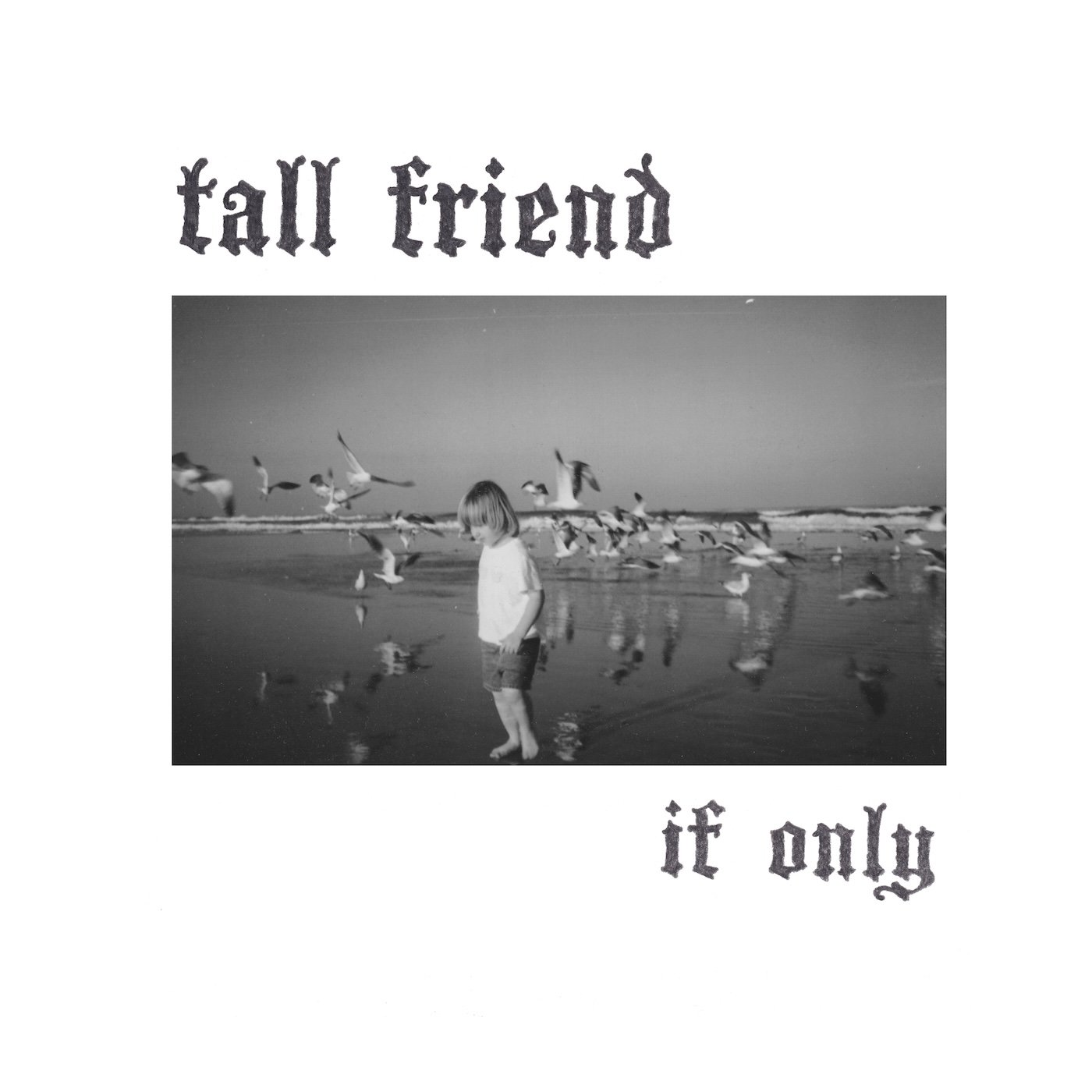
Following the release of lead single “laughing gull,” the band share “if only,” a song that revolves around the push and pull of waiting to express your emotions but not wanting to be a burden on anyone. With the kind of engaging minimalist structure that Tall Friend built their initial sound on, the single bounces to life on a steady groove with soft reflective vocals. As Pfaff sings of difficult feelings and a sense of flailing, his words come with a poetic resolve, deeply resonate as they search for a place to land. After nearly a decade the weight of the lyrics only sits heavier, but Fossil stands as a monument to growth, a spark of light, the calm after the storm.
Speaking about the song River shared:
“When I wrote this song, I was 19 and already felt so defeated by life, constantly oscillating between hope and despair. I was running away from a lot of things, mourning the hand I had been dealt, looking around astonished at how unfair and cruel the world can be to some and not to others. While I see this song as a bit indulgent because it’s about resigning yourself to hardship or exhaustion, I also wanted to acknowledge that pain can be both as extreme and as temporary as snow. It was my way of telling myself to be patient, that the discomfort will eventually melt and pass into another form.”