
by Anna Smith (@thestereo.type)
Detroit, Michigan stands at the center of one of America’s most impressive urban revivals. Just over a decade ago, the city declared bankruptcy, faced double-digit unemployment rates, and saw over a third of its land sit vacant. Even at rock bottom, though, Detroiters did what they do best—overcome. As of early 2026, the city is experiencing population growth for the first time since the 1950s, alongside rapid job development.
This renewal is the product of intentional planning and the bottom-up labor of people who refused to leave. But why commit to rebuilding a place so deeply scarred? Why not jump ship for a trendy suburb instead?
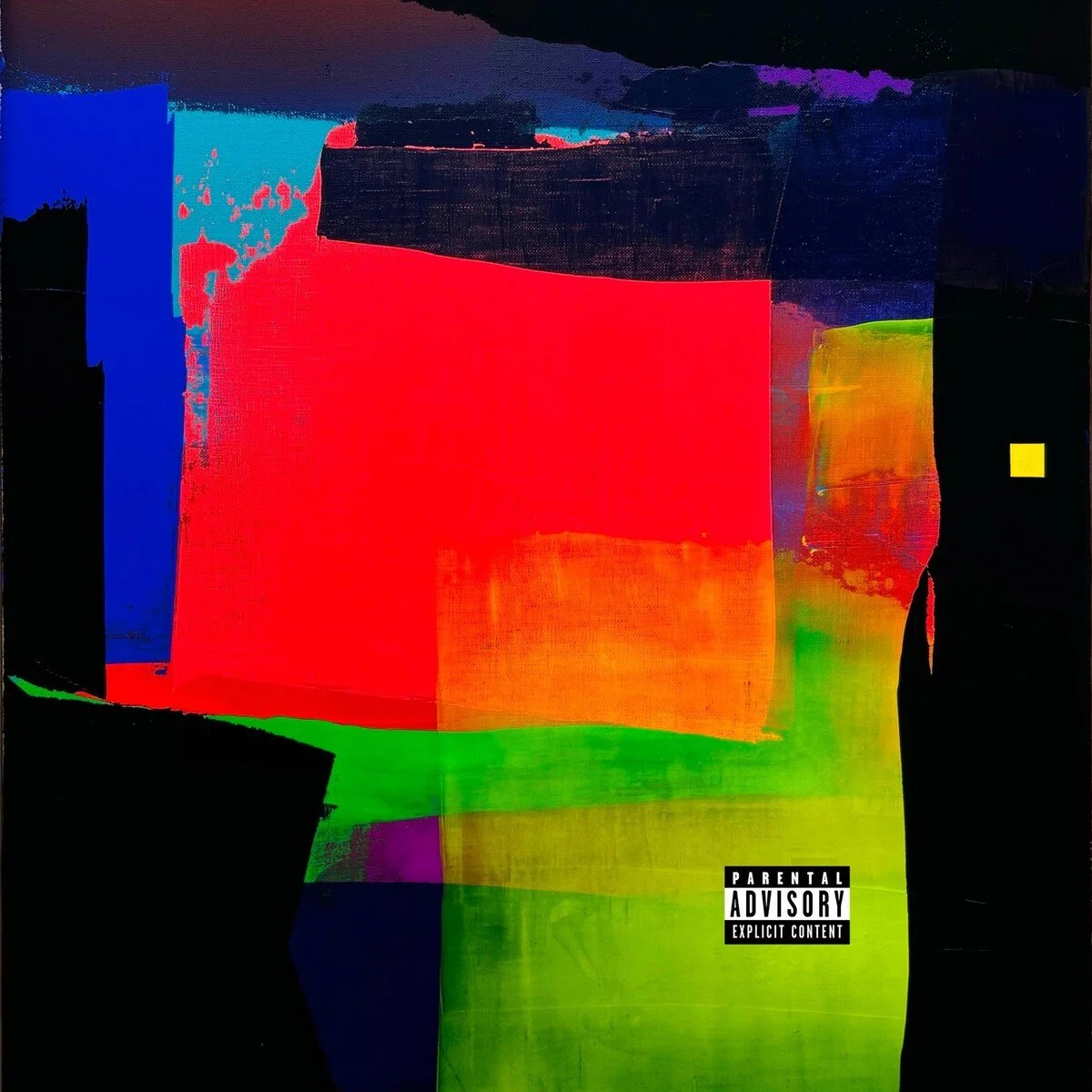
Detroit Institute of Art Volume 1, DJ Dremond’s newest release, answers these questions through the portrait of a city defined by community, pride, and grit. In an industry where streams are synonymous with success, collaboration is often transactional, and many artists dedicate their time to chasing names and features that inflate monthly Spotify listeners, this album resists the status quo. Instead, DJ Dremond assembles an impressively diverse roster of Detroit-based talent. Detroit Institute of Art Volume 1 brings together big names like Boldy James, respected underground rappers like Tha God Fahim, and newcomers such as Coko Buttafli. The album’s roster is stacked without feeling bloated; each voice exists comfortably without flattening individual styles, reinforcing community and connection over competition despite exclusionary industry politics.
The Detroit Institute of Art is one of the city’s most beloved institutions, and its titular homage represents the pride that Detroiters have for their home. On this project, DJ Dremond showcases quintessential characteristics of Detroit rap and imagery of the city. Saturated with 808s and driving dark synth loops, “Adamantium Chain” featuring Planet Asia captures the city’s grit and ever-present hustle. “Rasclott” and “Drug Deal” maintain an intense, distinctive Detroit grit in their production, evoking images of 8 Mile Road, stripped copper wire, and abandoned auto plants. These are familiar motifs in Detroit rap, and this record showcases them without going overboard.
The influence of the hardened streets is palpable on this record, but DJ Dremond makes it clear that Detroit is not a monolith. Tracks like “Solitude,” “How Ya Light It Up,” and “U Got It” represent the city’s softness. Saturated in elements of jazz and Motown, these songs call back to the city’s rich and long-standing cultural lineage. Coko Buttafli’s feature on “Solitude” sounds like a gospel singer echoing through an old pew, while the funky guitar loop of “U Got It” incorporates a sense of Americana and calls back to the city’s rock roots. Moments like these push back against the flat narrative that Detroit is tough, brutal, and cold, instead acknowledging the city’s cultural memory and vulnerability.
Detroit Institute of Art Volume 1 is a love letter that reads, “welcome to Detroit. We’re glad you’re here.” DJ Dremond and his collaborators deliver their stories with sincerity, crafting an audible depiction of community and revival. At times, this record leans a bit DIY and experimental, but its authenticity is found in its rough edges. Detroit Institute of Art Volume 1 reminds listeners that Detroit’s revival isn’t only the result of new zoning projects or job growth, but lives most vividly in the art created by those who never left.