
by Arthur Velez (@chillguy4000)
There’s an anecdote three quarters of the way through Erin Osmon’s 2017 biography, Jason Molina: Riding with the Ghost, that, in 2026, reads as especially sorrowful. Molina and the rest of Magnolia Electric Co. are with Steve Albini at Electrical Audio in Chicago in 2008, recording what would end up being their final album, Josephine. Listening to playback, they half joke about their “keen ability to do exactly the opposite of what was trending in the contemporary landscape of indie rock.” At the time, their brand of alt-country wasn’t derided as much as it was an afterthought–a strain of American music that, for most of the country, came with what felt like a perpetual 300-cap ceiling. A reappraisal was around the corner, but Molina’s alcoholism robbed him of any of its benefits. How the world can change! Fast forward to today, and, Geese aside, MJ Lenderman has become as close to a Gen Z “rock star” as is possible in the brainrot age, and he’s done so by writing within a similar workmanlike, Americana-indebted milieu. Throw a rock in Ridgewood or Logan Square and you’re likely to hit a young band whose aesthetic has been shaped by the stylings of Molina–the late, great, diminutive man from Lorain, Ohio.
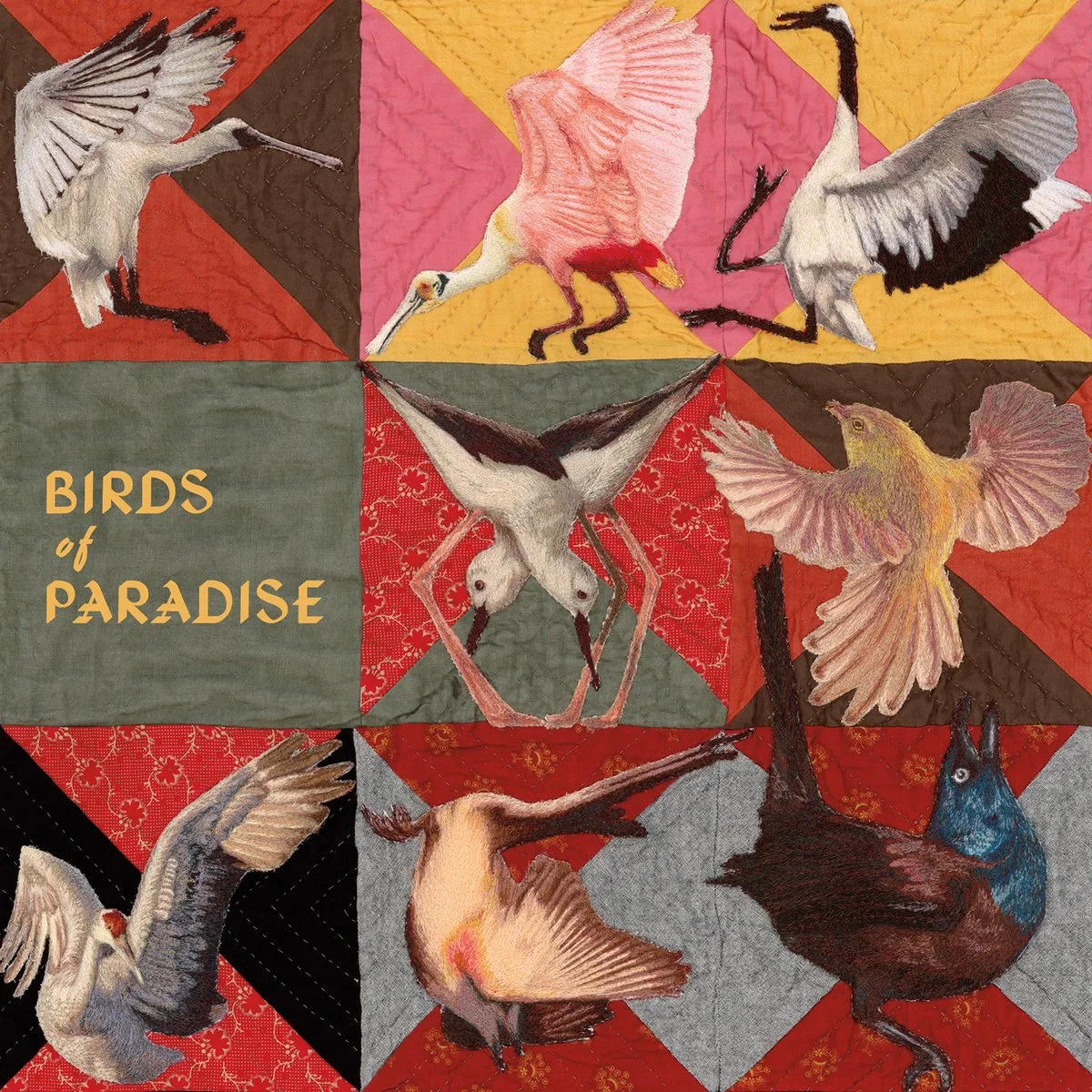
Released this past May, Birds of Paradise (Dear Life Records), the latest LP from New Orleans-based, Florida-born songwriter Thomas Dollbaum, slotted itself next to a handful of other 2026 Molina acolytes (see: Ovven, Tracey Nelson, Sluice, Mildred). Those records followed on the heels of a stellar trio of 2025 releases from the likeminded Fust, Ryan Davis & the Roadhouse Band, and Greg Freeman, and at least a dozen other good to superb albums put out across the preceding decade (see, among others: Bonny Doon, The Clearwater Swimmers, Colin Miller, Good Looks, Waxahatchee, Florry, Red Hot Photo Committee, Fazed on a Pony, and the aforementioned Lenderman, who contributes steady drums and endearing harmonies throughout Birds of Paradise). In fairness, Molina is not monolithic; these albums all stand up on their own, regardless of influence(s)–full stop. But there is clearly a rich vein of sad-eyed, twangy music that’s been tapped and flowing steadily in recent years, creating tributaries throughout country-adjacent songwriting that are nearly overflowing. For that reason I hesitated with Dollbaum. Shame on me. It turns out there’s more than enough space for a star burning this brightly.
Dollbaum writes country rock songs that sound like real life. He has a disarming, folksy, gravely baritone that can spray beams of light from a strained falsetto and cast long shadows from his chest. There is a simplicity of instrumentation–guitars, bass, drums, the occasional backing vocal or tambourine–that creates space for his visceral lyricism, and Birds of Paradise is chock full of lines that will stay with you long after the record stops. Like Molina, he possesses an uncanny ability to conjure a searing, everyday existentialism–the world in all of its mesmerizing beauty right alongside its agony and hopelessness. Real life can be heartbreakingly tender, and impossible to communicate to someone else, as it is on “Waterbirds.”
“Don't you ever hear me?
I guess I’ve only been screaming in the back of my head
I always wanted to help
But it doesn't mean I’m good at it”
Real life can be simultaneously bleak and joyful, as it is on the album’s swan song, “Blue Meets Blue,” a stunning reflection on grief and life’s inevitability.
“Nowhere gives back what is lost
It’s just pain all across the water
Watching birds all across the water
There’s nowhere to go this is just a circle
There’s nowhere to run this is just landlocked blues”
Dour as the text may appear, Dollbaum and his band rip through the track with a delirious fervor, careening through swells of hammer ons, background yelps and kick drum. It's an examination of life in bar rock’s clothing; it’s something that would surely make Molina proud. As the modern world becomes ever more fractured and frenetic, it’s this energy that will carry the most sincere and resonant music of the rest of this decade (and beyond). Due in large part to the foundation Molina built, purveyors of that sound are now free to dream bigger. Let’s have Dollbaum send us off, as he does on “Rabbits” – “In this great land of dying, lord I’m happy to be alive.”